Resources
Downloads
Reading

I have done a LOT of reading about pain and parenting kids in pain. These are summaries of some of my favorites.
Pediatric Pain Rehabilitation
This is a fantastic paper by Benore, Fahrenkamp, Zhakunets, & Banez (2020) on how pain rehabilitation works in children. One key point: function comes before pain reduction. If you wait until your pain goes away to start doing things, your pain tends to get worse. But if you start doing things, the pain tends to decrease over time. We were very fortunate to work with the Cleveland Clinic Pediatric Pain Rehabilitation Program when my son’s pain was at his worst. The 1step2life app is very much grounded in their approach.
Tyramine
Following a low tyramine diet has been absolutely critical to our family. The three posts we have on this topic are among our most popular. Here are the key points to pin to your refrigerator.
A Rescue Plan
It’s hard to think clearly when pain spikes. Planning ahead and assembling what you need will make it easier to cope when things get tough. This template will help you get started.
1steplife YouTube: Pain Education 101
Chronic pain is fundamentally different than acute pain and it needs to be treated differently. The 1step2life YouTube channel has videos about how the nervous system works, the logic pain rehabilitation, and a video for children and adolescence about chronic pain.
Blog Posts & Essays
-

New look! New tagline!
While we love the look of our original logo, many of our users have found that it has TOO MUCH WHITE! and that’s just hard on the eyes if you have migraines or photophobia.
-

Priorities in Pediatric Pain: A Study In Contrasts
Today was a bad pain today. It was noon and already he’d taken all his rescue meds. He’d used all the tricks – double water, salt. He’d already done three hours of biofeedback. And there the pain was – a big looming suffocating force drilling into his brain.
-

Colors are Key!
Many people living with chronic pain have a condition called photophobia – their brain interprets light as a painful stimulus. That can make looking at screens a painful experience and makes designing an app extra challenging!
-
Creating Videos To Teach Neuroscience
Creating videos that teach complex topics like how neurons fire is a challenge for content creators. That’s one project that Oberlin College intern Carlos Armstrong faced when working with Nancy Darling on 1step2life – and app designed to help teens living with chronic pain get out of bed and take back their lives.
-
Oberlin Chalk Walk
We joined Oberlin’s Chalk Walk to raise migraine awareness on national Shades of Migraine day. Follow our KnowledgeBase as it grows too!
-
Meet our interns: Alex Metz
1step2life is very fortunate to have Alex Metz interning with us this summer. We have spent hours each day developing content for the Knowledge Base. Alex has spent much of his time researching and writing about the neuroscience of pain. Alex is a senior at Oberlin College majoring in Creative Writing and Philosophy. He intends…
-
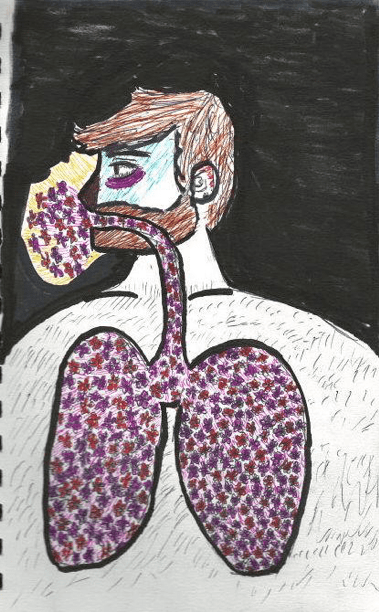
A Lung Transplant Puts College In Perspective
Art and Text: Carlos Armstrong Warning: this post includes photographs of surgical incisions some people may find upsetting. To me, chronic pain is more than just a subject to research. It is something constantly present in my own life. On the lower end of my pain scale, I have been living with debilitating chronic migraines…
-
Living the startup life
Writing, developing an app, and laying out a strategic plan for both a knowledge base and business require a lot of thought. And a lot of tea! Blue Rooster Bakehouse is one of my favorite Oberlin spots – especially on rainy summer afternoons.
-
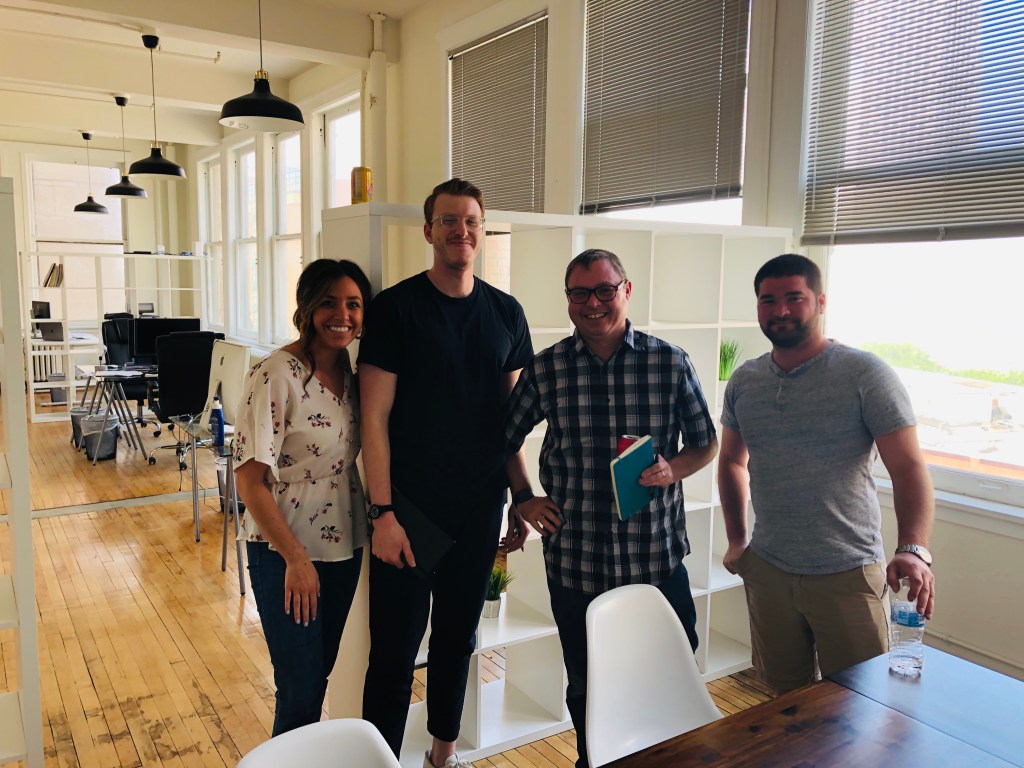
Meet our app design team!
So excited to meet with Stream9, our app design team! Many decisions to be made. We will be asking for feedback on potential designs from those on our mailing list. Follow us on Twitter! We want to hear from you. @1step2life1
-
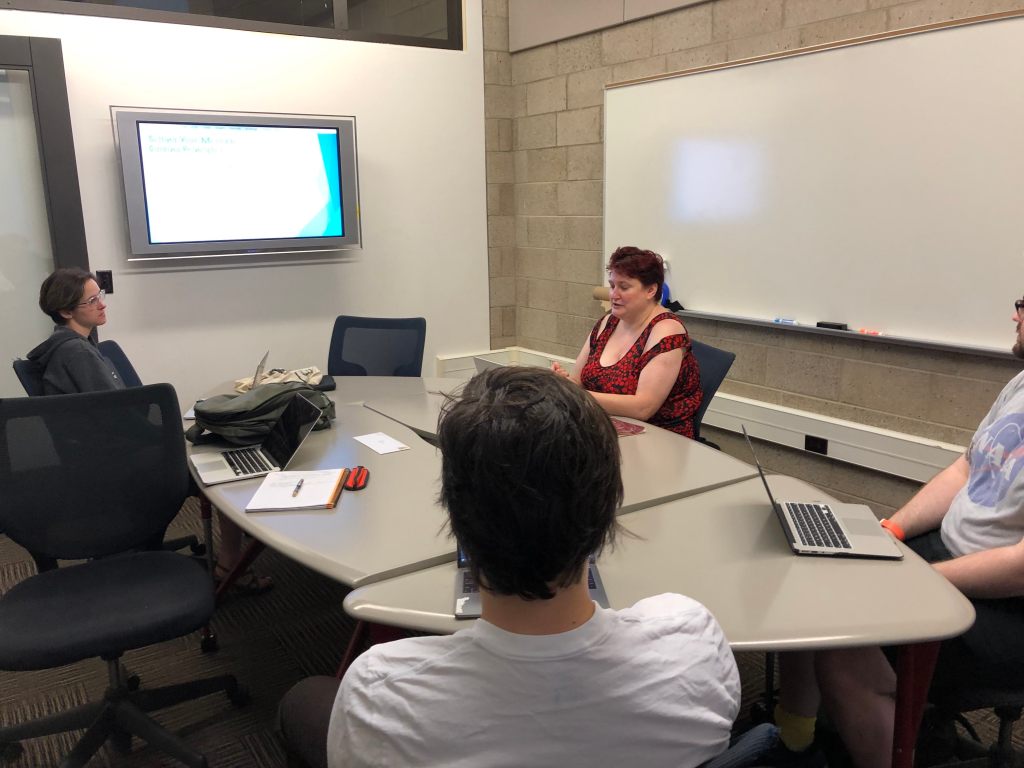
Learning To Give Science Away
We are very fortunate to have three student interns working with us this summer – Carlos Armstrong, Mary Madison Baker, and Alexander Metz. During the month of June, they have been building the Knowledge Base section of our website. Writing clearly and well about topics like the neurological underpinning of pain can be challenging. We…
-

It’s not theory: Real voices from real people
1step2life’s core mission is to build an app that helps kids living with chronic pain get out of bed and into the world. There are many things that make this project special to me. One, in particular, is how many of the Oberlin students involved GOT involved because they suffer from pain themselves. When we…
-
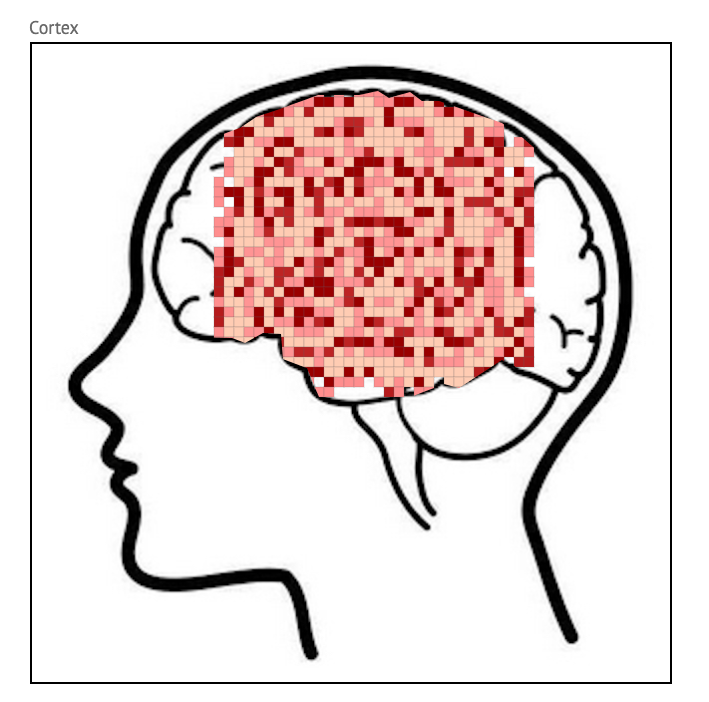
Max Kramer models migraine spreading depression
Max Kramer worked with Oberlin Professor Emeritus Richard Salter and Dr. Nancy Darling to develop a computational model of the spreading neurological depression characteristic of the brain during a migraine. Compuational modeling is a way of using mathematical and logical modeling to simulate behavior in the real world. Max used Numerus software, developed at Oberlin…
-

Research: Do kids believe it’s okay for parents to set rules about rehab?
As children become teens, they take more and more control over the decisions that govern their lives. Parents set rules, but teens who disagree with those rules have choices: they can obey, argue, or hide the fact that they’re not doing what they’re supposed to. In the US, most parents and teens agree that it’s…
-
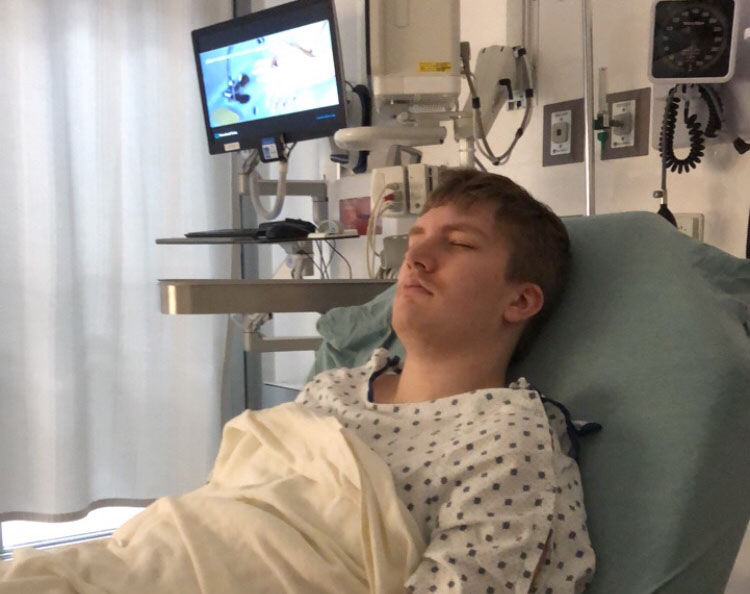
I Hate Pain
I’d like to say that I started this company because of my altruistic interest in helping the world. That would be a lie. I started this company because over six short months my son went from healthy to hiding under his covers, in the dark, wearing welding glasses. He would shudder with pain because his…
-
Opiates and Chronic Pain
Nociception is typically the most common explanation for the sensation of pain–small sensory neurons called nociceptors that send electrical signals from peripheral body tissue to the central nervous system and the brain when a noxious stimulus or dangerous event occurs. Although nociception cannot be felt and is not the same thing as the experience of…
-

We become filmmakers!
One of the many impressive things about Oberlin students is the range of their talents. Ava Dishian and Emily Eisenstein joined my lab as research assistants. As the 1step2life project developed, Ava and Emily stepped up to help us teach people about the difference between healthy pain and how it evolves into long-term and dysfunctional…
 1step2life